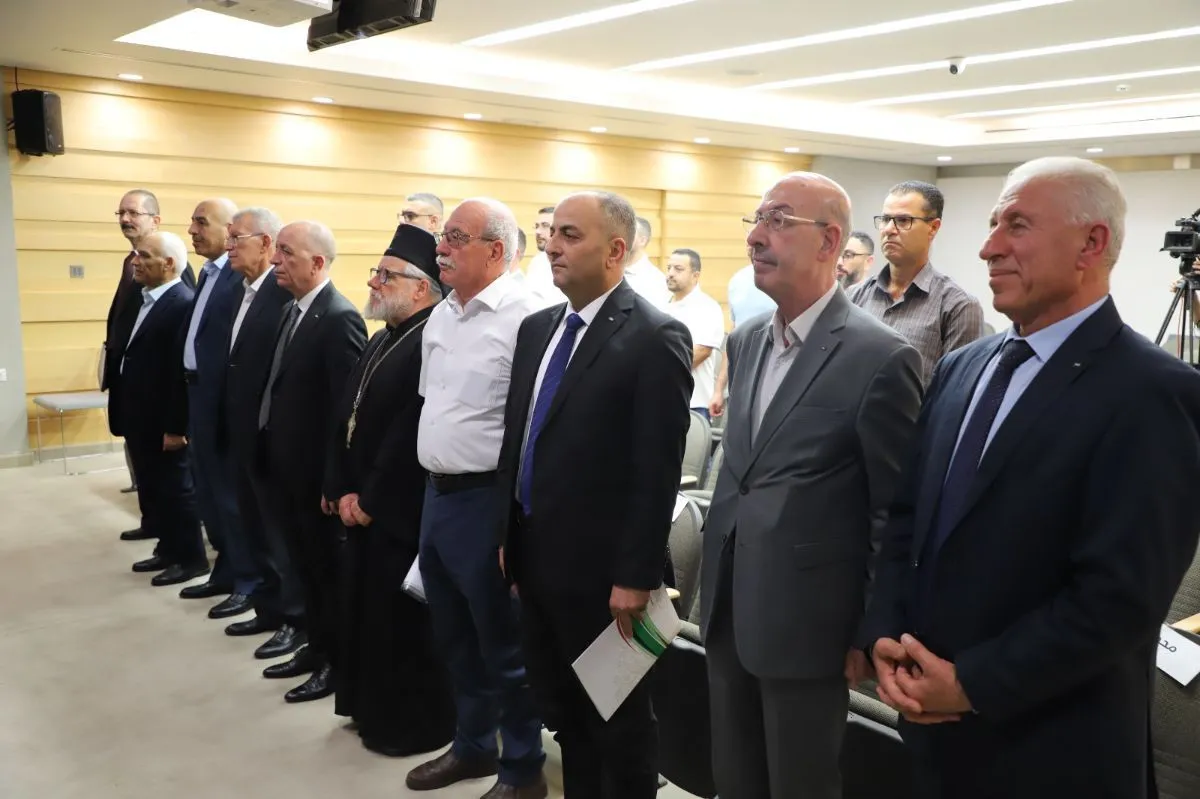
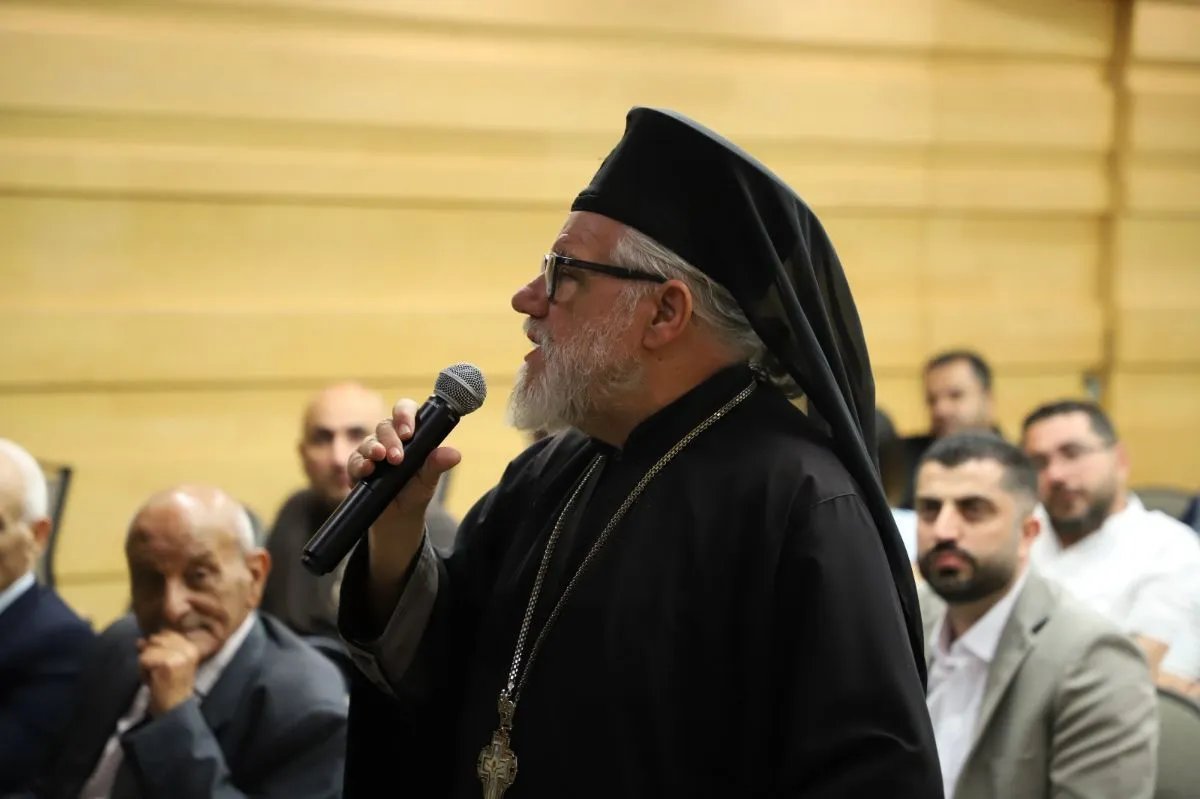
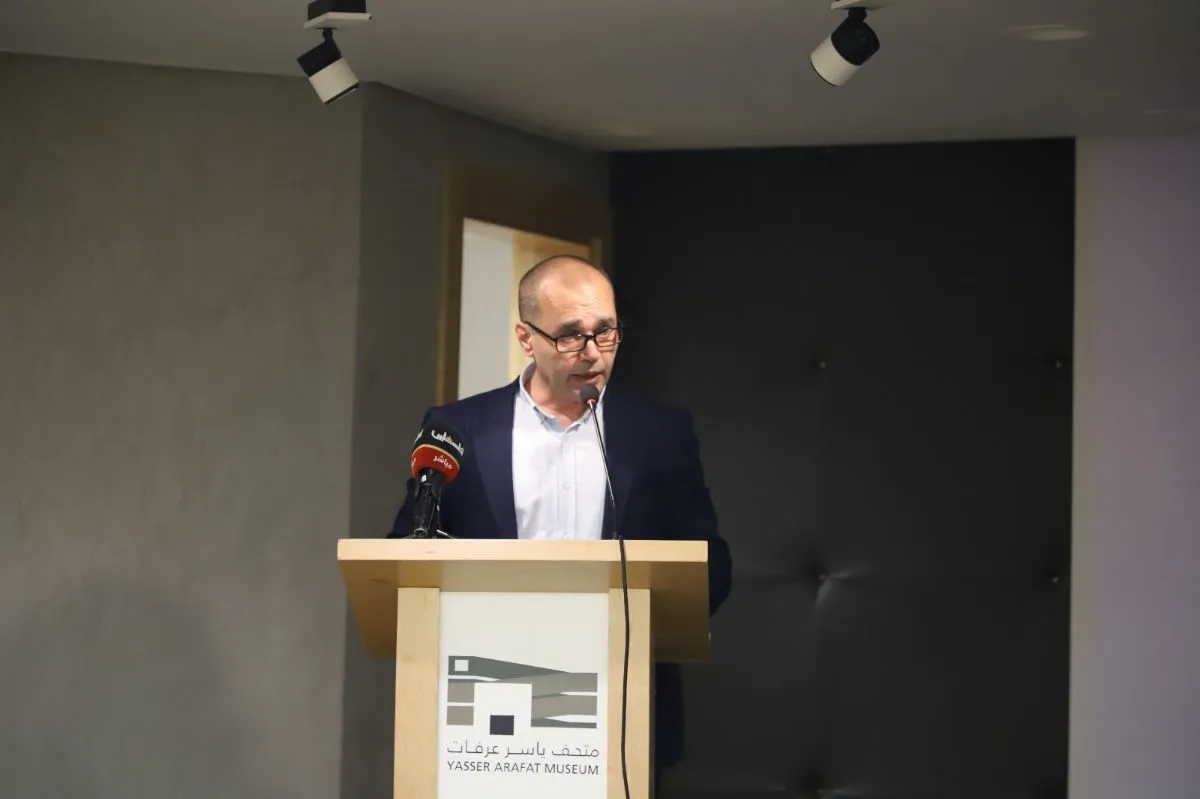
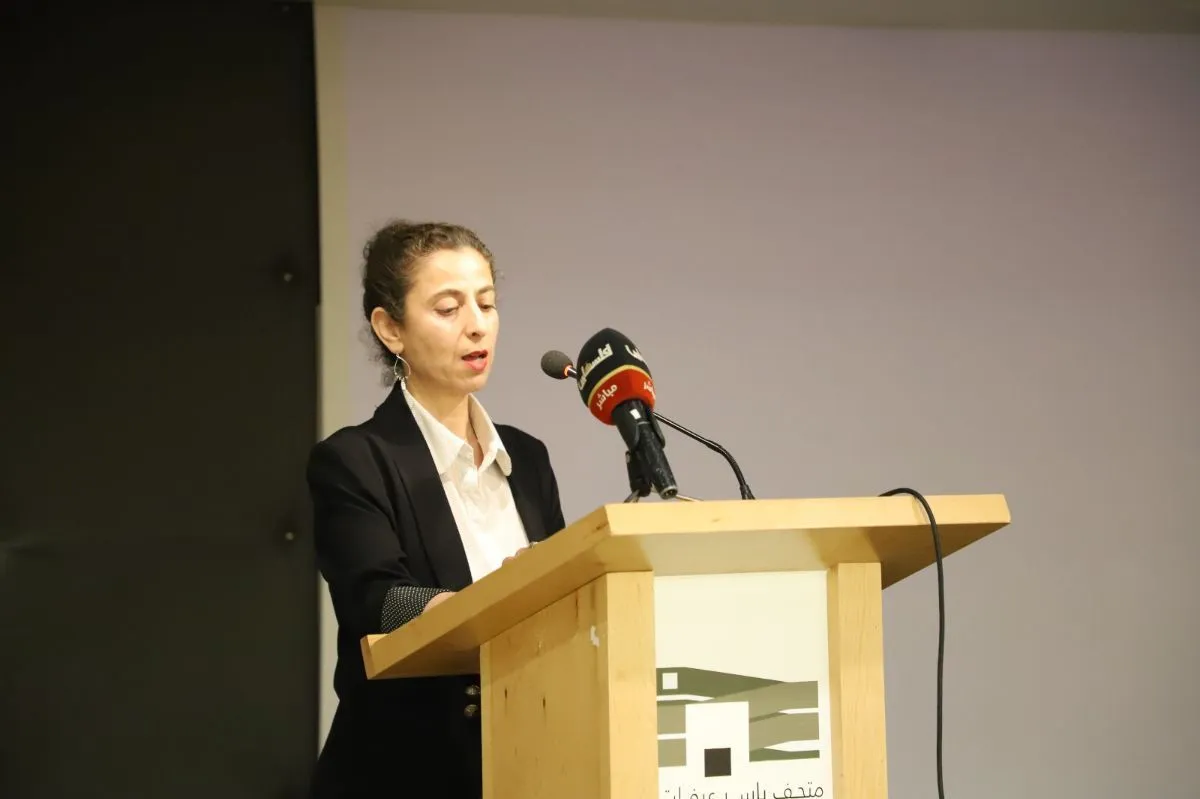
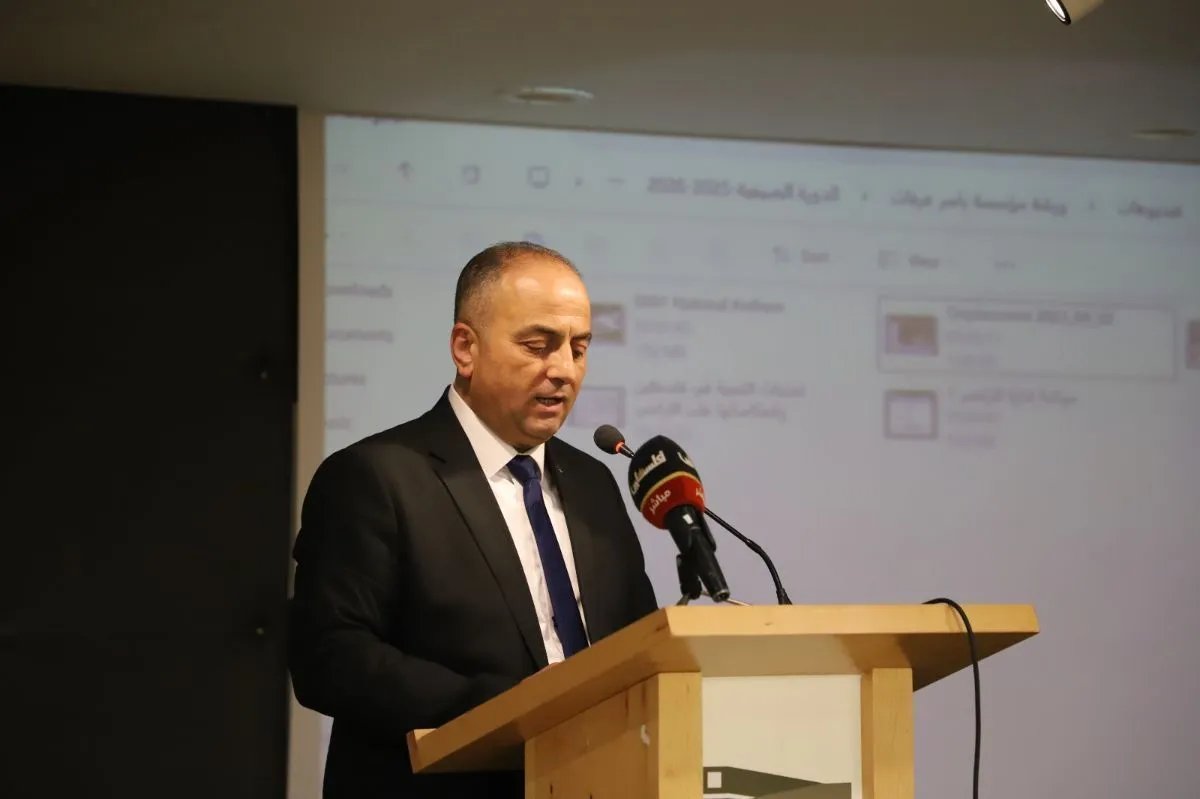
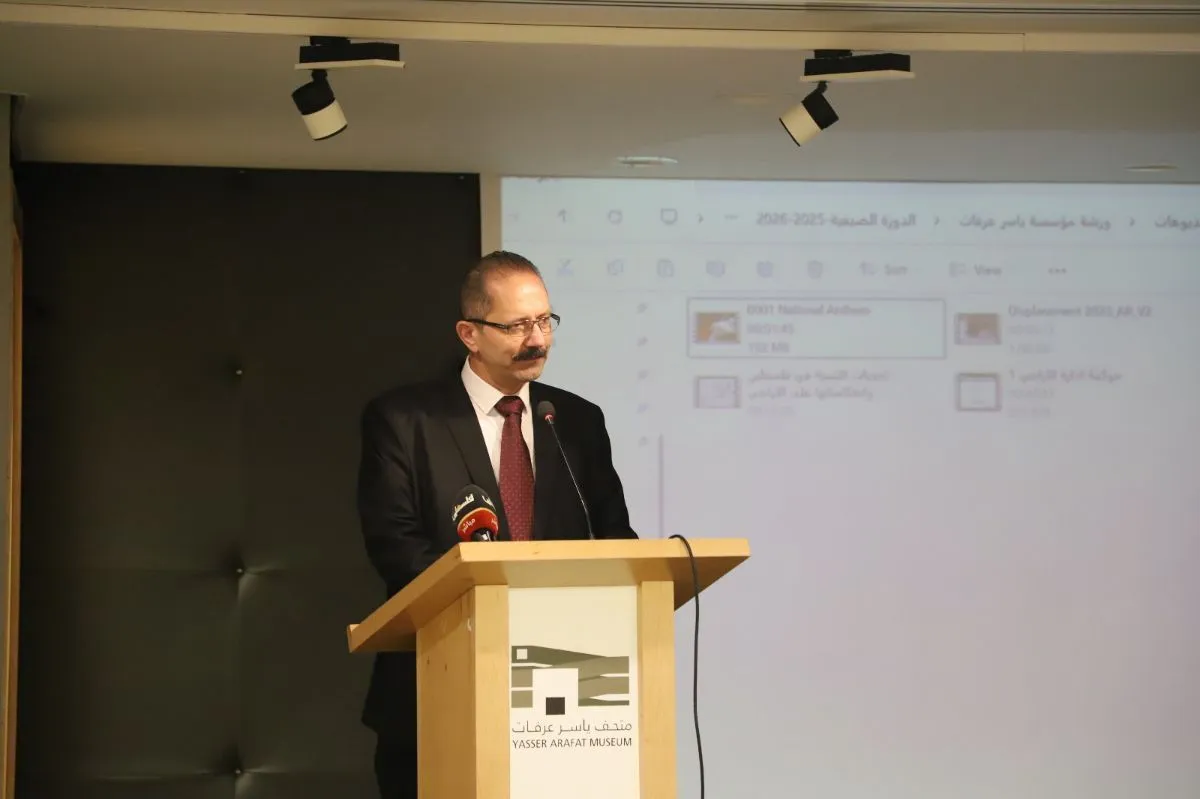
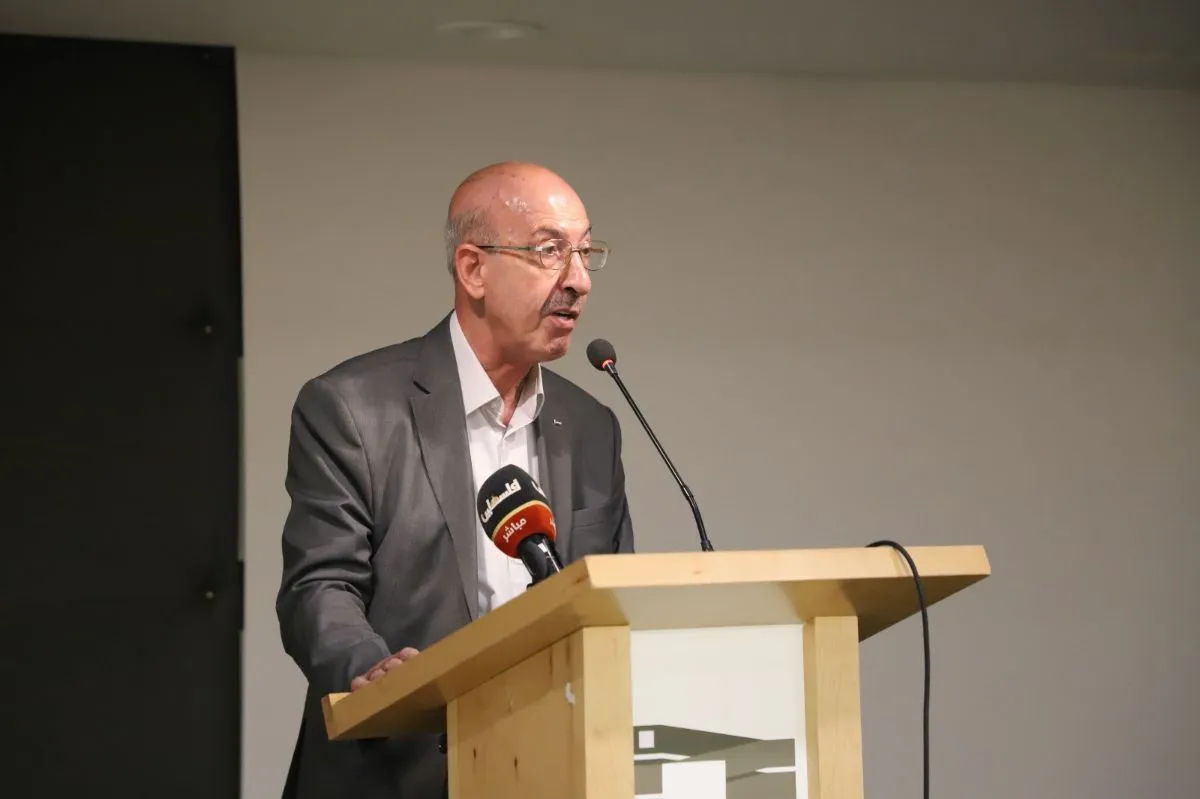
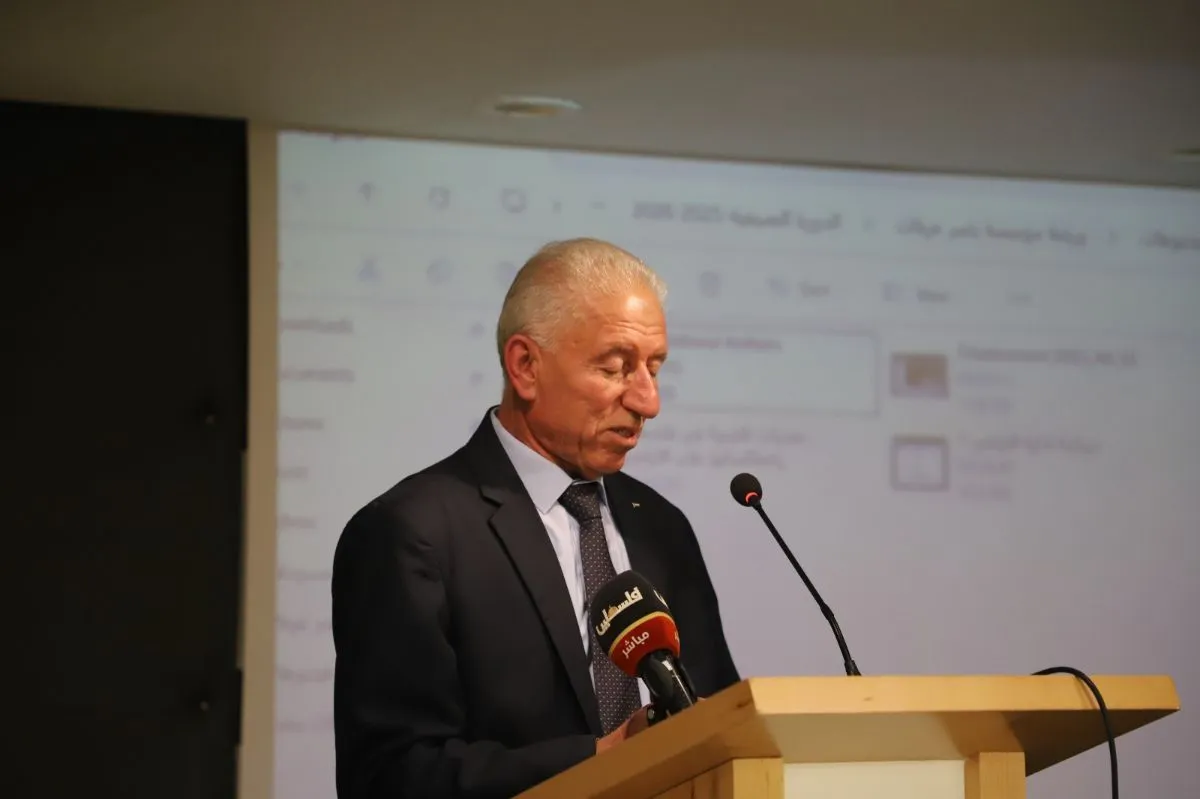
The Yasser Arafat Foundation, in partnership with Al-Quds University’s Master's Program in Land Administration, organized a seminar titled "Land Administration from a Development Perspective Amid Land Confiscation and Escalating Settlement Expansion" on Monday, 29 June 2026. The event was held at Al-Muntada Hall of the Yasser Arafat Museum and brought together representatives of government institutions, human rights organizations, civil society groups, official bodies, and members of the Popular Resistance Committees from the town of Al-Mughayyir.
Opening the seminar, Dr. Ahmad Soboh, Chairman of the Board of the Yasser Arafat Foundation, noted that the event was being held "from the Forum Hall, beside the resting place of the founding President and his final stronghold," in partnership with Al-Quds University, at a time when Israeli military operations, settlement expansion, and settler violence continue to intensify. He stressed that effective land administration has become a vital pillar in strengthening the resilience of both the Palestinian people and their land.
Dr. Soboh emphasized that the Palestinian struggle has always centered on three interconnected dimensions: the land, the people, and the national narrative. He said that successive Israeli occupational policies have sought to seize Palestinian land, expand settlements, kill, imprison, and forcibly displace Palestinians, while promoting a distorted historical narrative. In response, he stressed, Palestinians remain committed to protecting their land, safeguarding their people, and preserving their national story.
He further underscored the need for a broad political vision rooted in the steadfastness of Palestinian citizens and the protection of their land. He affirmed that one of the Foundation's core responsibilities is to preserve the Palestinian historical narrative while supporting those who cultivate and remain firmly rooted in their land.
Dr. Soboh also highlighted that, since its inception, the Zionist movement has relied on ideological foundations rooted in religious mythology while promoting agricultural labor as a means of settling Jewish communities on Palestinian land and fostering attachment to it. He argued that this approach has been accompanied by attempts to diminish the humanity of Palestinians within a broader project of displacement. He concluded that protecting the land, ensuring its sound administration, and strengthening people's attachment to it constitute the cornerstone upon which every other component of the Palestinian national project depends.
Speaking on behalf of Al-Quds University President Prof. Imad Abu Kishek, Ziad Qannam stated that the seminar comes at a particularly critical moment in the history of the Palestinian cause, as the land faces mounting threats from confiscation policies and expanding Israeli settlements targeting not only territory but also the Palestinian people and their national identity.
He noted that land administration is no longer merely an administrative, legal, or technical matter, but has become a fundamental instrument for safeguarding national rights, reinforcing citizens' resilience, and securing their continued presence on their land.
Qannam also expressed pride in the establishment of Al-Quds University's Master's Program in Land Administration, explaining that the program was created not as an academic luxury but as a strategic initiative designed to prepare highly qualified national professionals equipped with the scientific knowledge and practical skills required to manage land according to international best practices. He added that the program also seeks to promote the principles of good governance, transparency, and integrity in one of Palestine's most vital national and developmental sectors. He emphasized the University's belief that sound institutional governance and responsible land planning are among the most important foundations for protecting national rights and strengthening the capacity of Palestinian institutions to confront current challenges.
Marzouq Abu Naim, Head of the Al-Mughayyir Village Council, presented the town's experience in popular resistance against settler attacks and attempts to seize Palestinian land. He explained that the systematic targeting of agricultural production and livestock—two essential pillars of Palestinian resilience—has been a major factor facilitating settlement expansion.
Abu Naim stressed that social cohesion, strong community relations, and collective solidarity have been critical to strengthening the resilience of Al-Mughayyir's residents and have contributed significantly to the success of the town's model of popular resistance and land protection.
Throughout the seminar's two sessions, participants emphasized that, under current conditions, land administration and efforts to reinforce citizens' attachment to their land are far more than technical or bureaucratic procedures; they represent a genuine act of national resistance and an essential instrument for sustaining Palestinian steadfastness.
Participants also called on the Palestinian national factions to develop practical programs that strengthen Popular Resistance Committees throughout the occupied Palestinian territory and provide them with the logistical support necessary to safeguard communities and protect lives and property. They further urged institutions responsible for land affairs to enhance coordination and integration, ensuring comprehensive legal and documentary measures to preserve land ownership rights while encouraging citizens to cooperate in documenting and registering their property.
The seminar featured two panel discussions. The first, titled "Land Administration and Planning for Enhancing Resilience," was moderated by Dr. Ziad Qannam. Speakers included Samer Odeh, who addressed the role of the Palestinian Land Authority in land administration and regulation; Dr. Najwa Qanzoua, who presented the National Spatial Plan as a vision for sustainable land management and development; and Amir Dawoud, who discussed ongoing land appropriation policies, the rapid expansion of pastoral settlements, and escalating settler violence.
The second session, titled "Governance in Land Administration and Planning Amid Current Challenges and the Role of Popular Resistance," was moderated by Dr. Odeh Masharqa, Director General of the Yasser Arafat Foundation.
Its presentations included "Palestinian Land Planning as a Tool for Confronting Settlement Expansion," delivered by Khalil Tafakji; "Governance in Land Administration: National and Developmental Challenges," presented by Dr. Ziad Qannam, Head of the Master's Program in Land Administration at Al-Quds University; and "Successful Models of Popular Resistance Committees in Countering Settler Attacks and Protecting Lives and Property: Al-Mughayyir as a Case Study," presented by Marzouq Abu Naim.